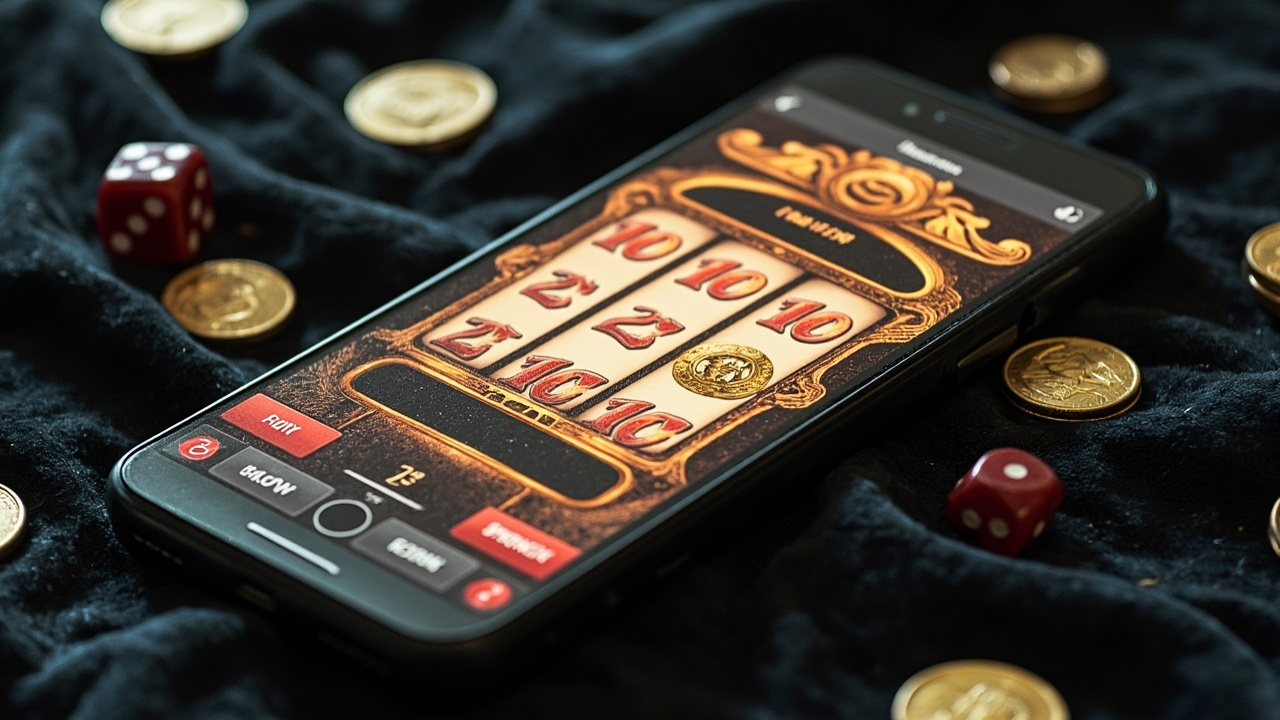
Lightning roulette style games bring a familiar wheel to the screen with a few extra strikes of pace and visual punch. For anyone who has spent time around tables in a local club or watched a dealer spin in Wollongong on a slow arvo, the appeal is straightforward: the same numbers, the same betting grid, but with a fresh layer of instant outcomes that can shift a session in a hurry. We’ll walk through how the mechanics land, what to expect from the lobby and the table mix, and where this style actually fits your play style.
The core of lightning roulette style games sits in how the wheel is presented and how the lightning strikes are applied to selected numbers. From my side of building non-download slots and cluster mechanics, the trick is never to overcomplicate the base game; you keep the roulette layout honest, then layer a separate payout moment on top so the session still reads as roulette first. A good version keeps the betting grid clear, the wheel spin readable, and the strike moment distinct rather than drowning the screen in noise. That matters because the moment a feature starts calling the shots, players should still recognise the underlying odds and the house edge they are playing into. If you want a clearer picture of how a lobby organises that kind of table content alongside slots, the room at https://online-royalreels.com/en-au/ gives a useful reference point for how table and live content can sit beside the slot mix without feeling like two different sites glued together. The best implementations also let you size your stake in sensible steps and see the strike range before you press go, which is the kind of transparency that keeps a session feeling controlled rather than theatrical.
A solid lobby for this style should make discovery easy and keep the table and live content easy to scan. You want a mix that includes the lightning roulette style games you came for, plus a few neighbouring table options and live dealers so a longer session does not stall when one variant is busy. Providers should be listed plainly, with the game mix searchable by name, provider, or table type, and the lobby should not bury the table section behind a wall of promo tiles. Mobile play needs to hold up without forcing you to pinch and zoom through the betting grid, and registration should be straightforward with clear currency and payment paths that match what you actually use. Support should be reachable when a deposit or withdrawal question pops up, and any loyalty or bonus mechanics should be readable in plain terms rather than hiding behind vague wording. None of that is flashy, but it is what turns a neat feature into something you can actually spend a session on without faffing about.
If you are weighing whether this style suits you, the honest call is about pacing and patience rather than chasing a big strike. The lightning moments are the headline, but the session still runs on roulette fundamentals, and anyone who expects the strikes to rewrite the maths will be disappointed fast. I’d rather see a game that keeps the wheel honest and uses the strikes as a visual and pacing layer than one that tries to sell the feature as the whole event. That judgement lines up with how I’ve always approached mechanic design: add something memorable, but do not let it obscure the base game people signed up to play. Some players even treat a fresh shoe or a new shooter’s first roll with a bit of superstition, and that same cautious mindset applies here – you can enjoy the flash without pretending the odds have changed. For players who like a clear grid, a steady rhythm, and a bit of extra excitement on top, lightning roulette style games can be a good fit; for anyone after a slow, methodical table session with no extra noise, a plain wheel may suit better.

Glossary
- Strike: the moment a selected number or range receives an enhanced payout in the lightning feature.
- Grid: the betting layout where players place chips on numbers, colours, or outside bets.
- House edge: the built-in advantage the game holds over the long run.
- Live dealer: a real person dealing the wheel and ball through a streamed table.