Keno on a phone feels different from sitting at a lounge terminal, and the pace is what catches new players out. I have watched a baccarat shoe turn in forty minutes and a roulette wheel settle a same bet three times in one session, so I treat any app that promises instant play with the same scrutiny I give a new dealer training rotation. If you are weighing keno app real money from an Australian perspective, the questions that matter are not the flashiest features but the ones that affect your cash, your time and your ability to stop when you mean to. A Melbourne arvo at the MCG can run long, and the same discipline applies when the screen is in your pocket.
What kind of keno play suits your routine
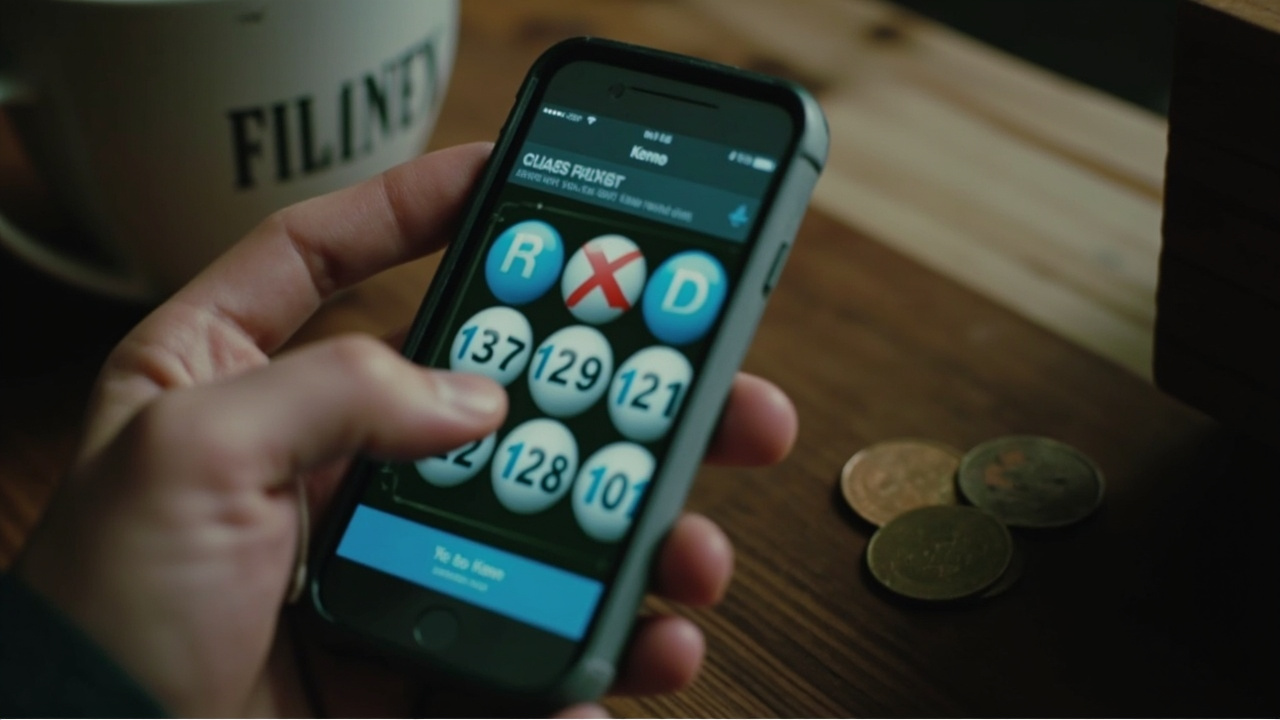
The first call is about format, not brand loyalty. Some apps run keno as a fast, automated draw with fixed ticket sizes and a tight clock; others let you shape picks, adjust bet levels and watch a slower animation between rounds. In my floor days, I learned that consistency beats speed when a game runs every few seconds, because fatigue creeps in before you notice it. If you prefer a short burst between errands in Melbourne, a compact ticket and a clear end point matter more than a long bonus trail. If you play longer sessions, look for a layout that shows recent results plainly and keeps the bet controls where your thumb naturally rests, not buried behind a gesture.
A practical way to test fit is to compare three things side by side before you put money in: the smallest ticket you can build, the time between draws, and how clearly the app separates your balance from the amount wagered on the current round. Those details tell you whether the product is built for casual taps or for someone who wants to pace themselves.
- Ticket minimum and maximum on a single draw
- Draw interval and whether results are animated or instant
- Whether bet controls sit on the main screen or a sub menu
How the cashier and verification actually work
Money movement is where a lot of apps reveal their real shape, and I judge it the same way I judged a cage handover: the process should be boring, predictable and documented. For keno app real money, the sensible starting point is a cashier that shows the currency first, then the method, then any limits that apply before you tap to confirm. In an Australian context, that usually means seeing Australian dollars up front and knowing whether a deposit arrives instantly or sits in a pending state while the app checks the funding source. A Melbourne player catching a train home does not want a deposit hanging unresolved for half the journey. woohoo999.com
Withdrawals deserve more attention than marketing gives them. Look for a clear processing window, a stated method for the return path, and a reminder that identity checks may still be required even after your first deposit goes through. I have seen players frustrated by a smooth top-up followed by a slow payout, so the right question is whether the same verification standard applies to both directions. If an app asks for documents only when you try to take money out, that is a sign to slow down and read the terms rather than assume the first deposit experience repeats itself.
A few payment points are worth checking in your own time:
- Whether the cashier lists Australian dollars by default or switches currency after registration
- The methods available for deposit versus withdrawal, since they are not always identical
- Any stated limits on a single transaction and how often those limits reset
- How long verification usually takes once you submit documents, and whether the app tells you what is missing
Bonus mechanics can be useful, but only if the terms are readable at a glance. A welcome offer that sounds generous on the headline can carry play requirements that do not suit keno’s pace, so I treat bonus terms like a table rule sheet: if I cannot find the key numbers quickly, I do not assume they are friendly. Support should be reachable without hunting through menus, and a loyalty section is only worth attention if it rewards regular play without nudging you to chase it.
Matching the app to your own limits and habits
The best fit is the one that respects how you actually play, not the one with the loudest welcome screen. If you tend to play in short bursts, choose an app where the ticket size and draw speed match that rhythm, and where closing the session is as easy as opening it. If you play less often but with more focus, favour clarity over speed: a result history you can read without squinting, a balance that is never confused with your wager, and a cashier that does not surprise you with a new step halfway through.
Responsible gambling safeguards belong in this decision too. Set a limit before you register if the app allows it, and treat that limit like a table limit you would not cross on a busy shift. A roulette wheel does not care about your mood, and neither does a keno draw, so the protection has to come from your setup rather than from hoping the app will remind you at the right moment. If an app makes it hard to find self-exclusion, time-out or reality-check options, that is a useful signal about whether it was built with restraint in mind.

For a Melbourne player, the practical test is simple: can you play the way you want without the app pushing you into a longer session than you intended? If the answer is yes, the product is probably aligned with your habits. If the answer is no, no bonus or colourful theme changes that.
When I compare keno app real money against the standards I used on the floor, I look for predictable money movement, readable terms and controls that fit the player rather than the other way around. woohoo999.com is one option worth checking if you want to see how a cashier, verification steps and bonus terms sit together in practice, but the right call is always the one that matches your own limits and your own routine. Play the format that suits your time, know the payout path before you deposit, and treat every session like a shift you can end on your own terms.